The materials
PHA: plastic thatnature understands.
Made by microbes, not oil. Home-compostable, marine-safe and carbon-friendly. It's what plastic should've been all along.
What it is
The first material designed to disappear.
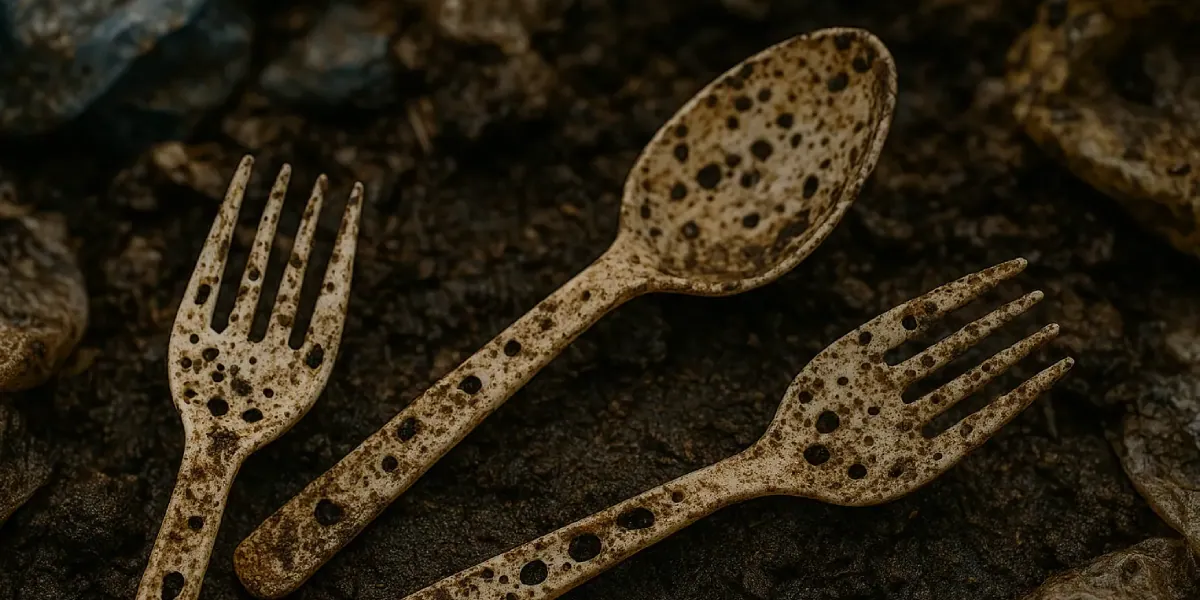
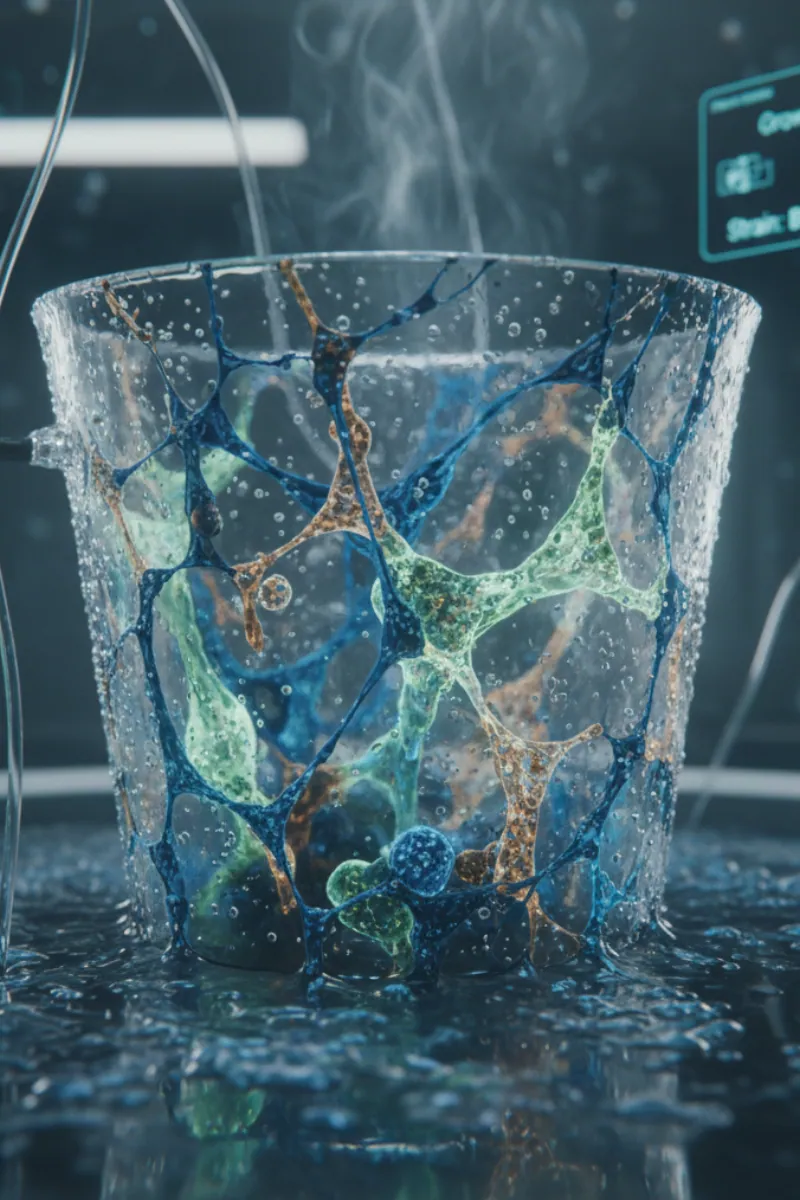
PHA (polyhydroxyalkanoate) is made by microbes, not oil. It naturally biodegrades in soil, rivers, oceans and home compost, leaving no toxins, no microplastics, no trace.
Built for service, not shelf life. Certified by TUV Austria for real-world composting.
- Full name
- Polyhydroxyalkanoate, a biopolymer produced by microbial fermentation
- Origin
- Grown by microbes. Not refined from petrochemical feedstock.
- Breakdown
- Soil, rivers, oceans, home compost, and low-oxygen landfill
- Timeframe
- Typically 6–12 months to full biodegradation where composting is available
- Residue
- No microplastics, no methane spikes, no toxins
- Infrastructure
- None required, breaks down safely anywhere
- Food contact
- Compliant across hot, cold and alcoholic applications. Taste-neutral.
- Certification
- OK Compost HOME · TUV Austria · UKCA/CE metrology where required
The range
Cups, strawsand cutlery.
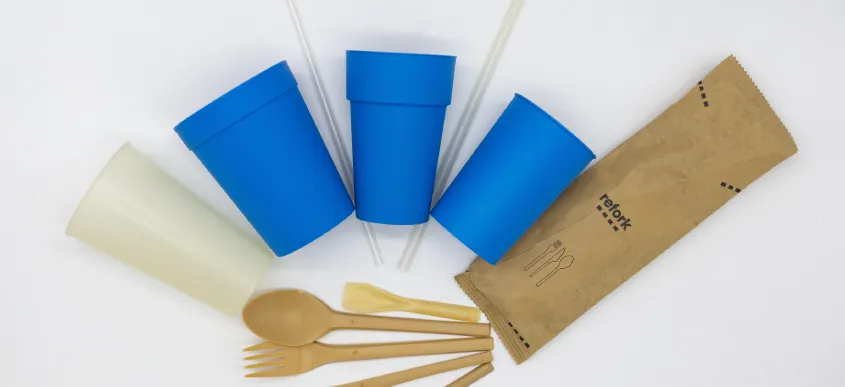
One material family across the whole service moment. Ten colourways in production, all home-compostable, all food-contact compliant.
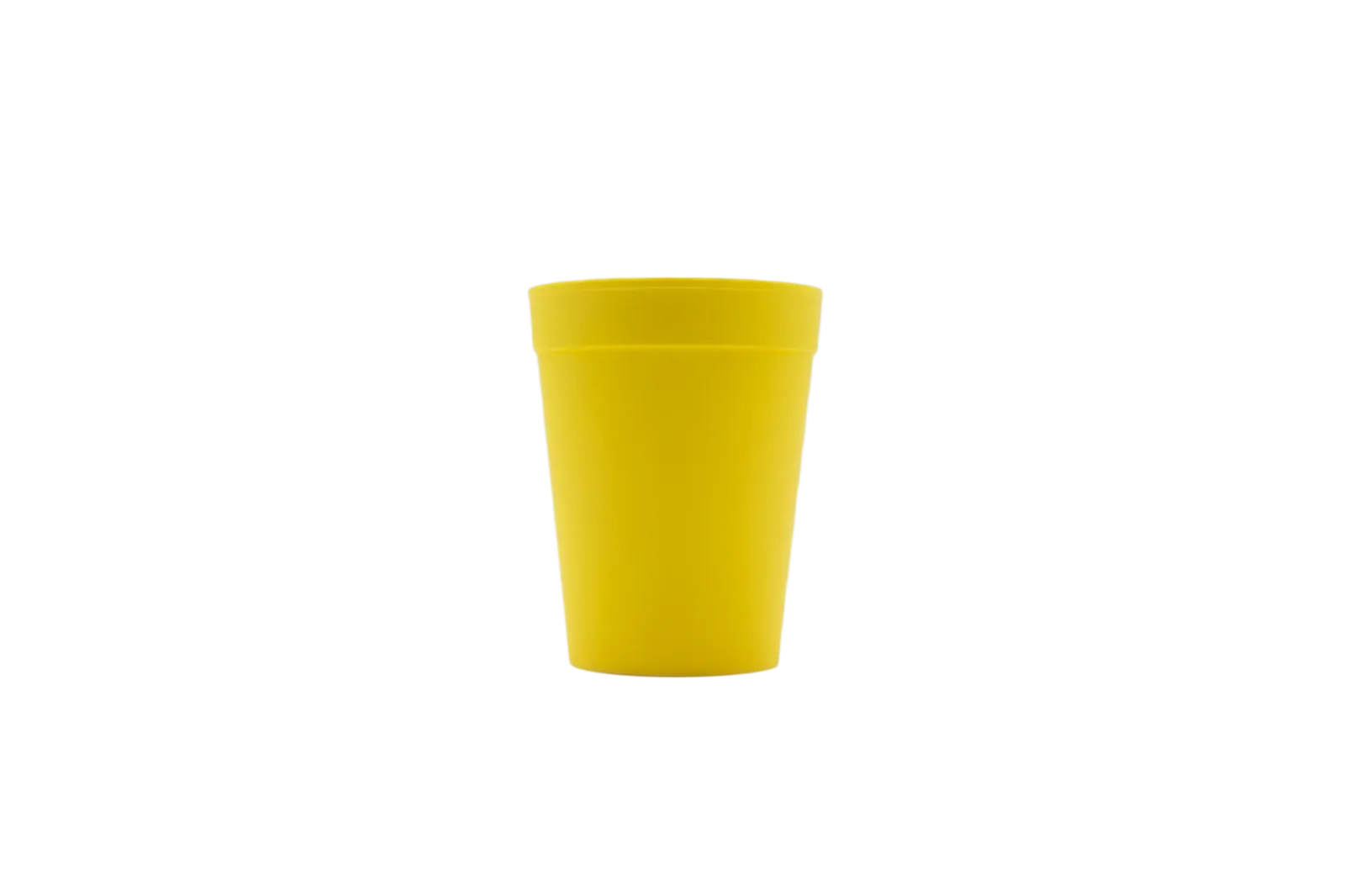
Colourway: Yellow
Cutlery
Spoons, forks and knives with compostable sleeves.
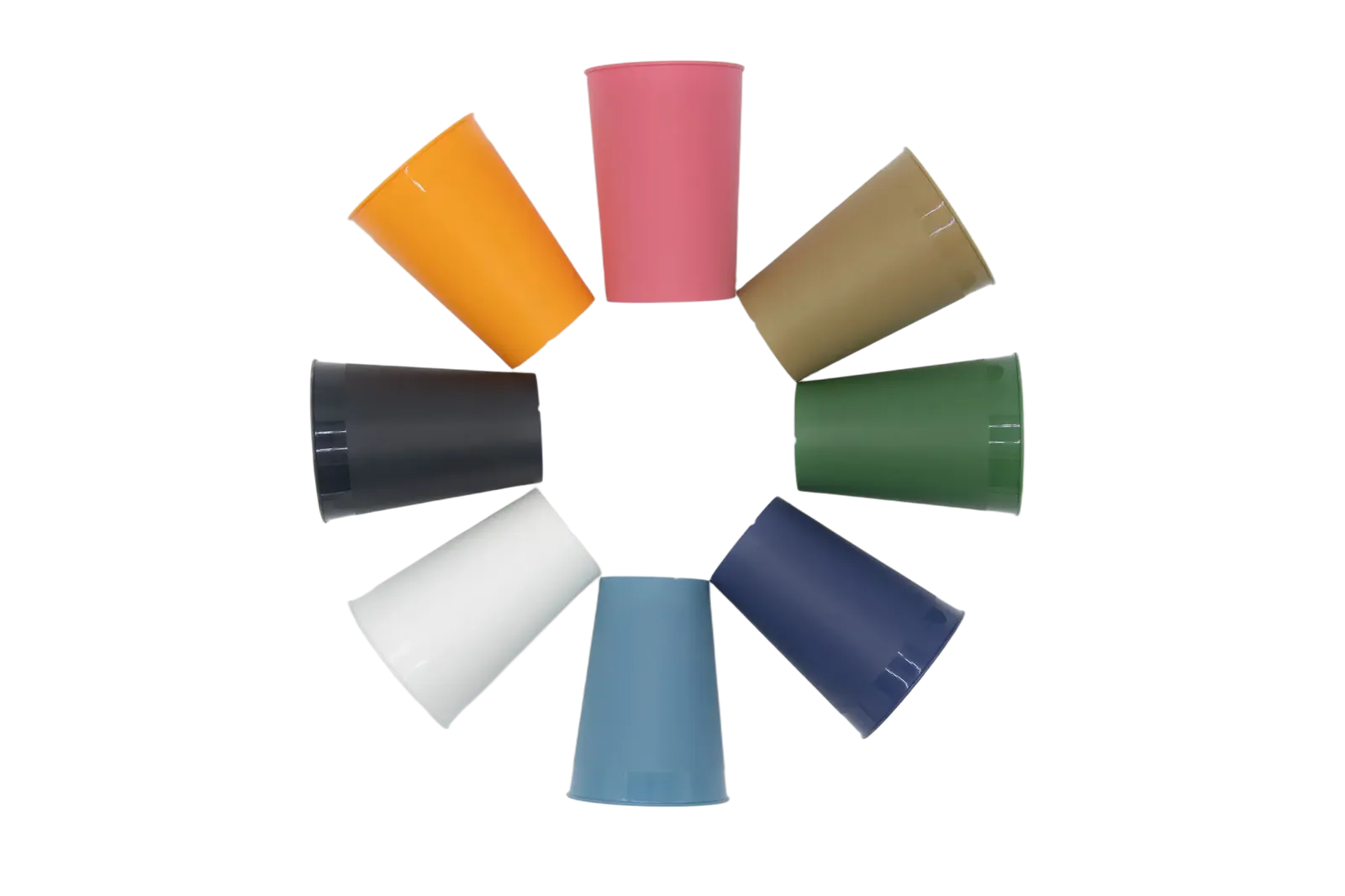
Cups
Ten colourways, hot and cold service.
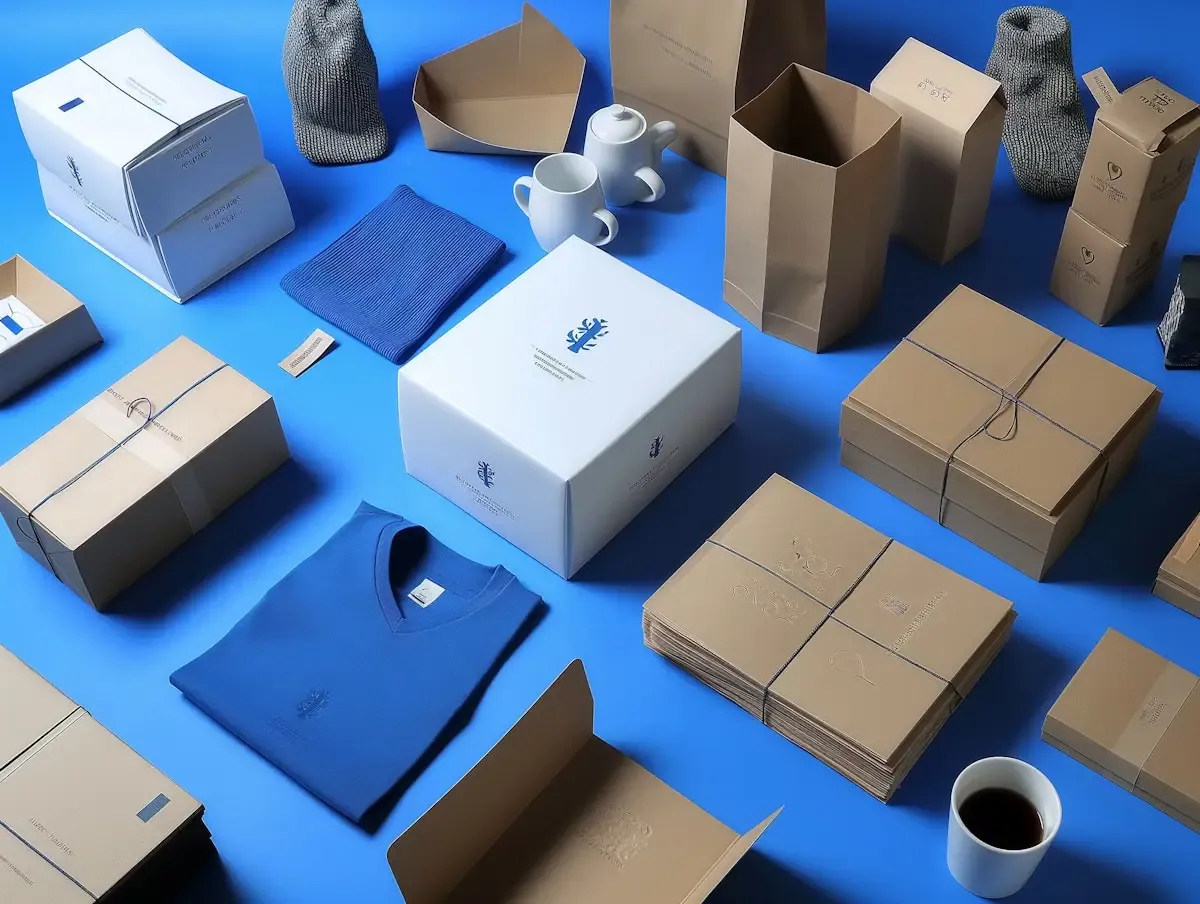
Food packaging
Containers built for food-to-go operations.
End of life
Then it's gone.
Where home or food-waste composting is available, compost locally for best results, full biodegradation typically occurs within 6–12 months.
If PHA enters landfill it will still biodegrade naturally over time, without releasing microplastics, methane spikes or toxins. Unlike traditional plastics that can persist for centuries, NOPE PHA continues breaking down even in low-oxygen settings, completing its cycle.